Gelao Ethnic Group
Introduction
The Gelao ethnic group is one of the recognized ethnic groups in China, residing mainly in the southwestern provinces, particularly in Guizhou. They have a rich cultural heritage and maintain distinct traditions that have been preserved over the centuries. The Gelao people are known for their vibrant cultural expressions, including traditional dances, music, and festivals which play a significant role in their social and cultural identity.
History
Origin and Development
The Gelao people are considered to be one of the earliest inhabitants of the Guizhou region. Their origins can be traced back to ancient times, and they have a long-standing history that is deeply intertwined with the broader historical developments in China. Over time, the Gelao have developed a unique cultural identity that distinguishes them from other ethnic groups in the region. Despite their early prominence, the Gelao population has diminished over the years, and their language and cultural practices have faced challenges in preservation.
Historical Migration
Throughout their history, the Gelao have experienced various migrations, which have influenced their current distribution across different regions. Historical records suggest that these movements were often prompted by socio-political changes, natural disasters, and economic necessities. As a result, the Gelao communities have scattered across multiple areas, yet they have managed to retain their cultural core despite these displacements. Their migratory patterns have also enabled them to adapt to different environments and engage with other cultures, further enriching their own cultural practices.
Culture
Language
The Gelao language consists of several dialects, each with distinct phonetic and lexical characteristics. The Gelao language is considered endangered, with the number of fluent speakers declining over the years. Efforts are being made to document and revitalize the language to ensure its preservation for future generations. The linguistic diversity within the Gelao community reflects their historical migrations and the influences of neighboring ethnic groups.
Traditional Clothing
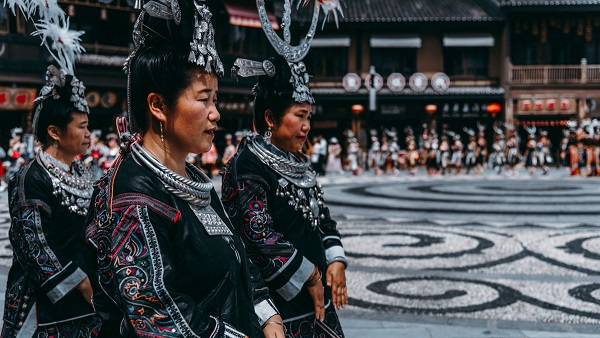
Traditional Gelao clothing is characterized by its vibrant colors and intricate patterns. Men and women wear garments made from locally spun and woven fabrics, often adorned with embroidery and other decorative elements. These costumes are typically worn during festivals and special occasions, serving as a symbol of ethnic identity and cultural pride. The clothing styles vary among different Gelao sub-groups, reflecting regional differences and individual expressions of creativity.
Festivals and Celebrations
The Gelao ethnic group celebrates several traditional festivals, each with its own unique customs and significance. The Dragon Dance Festival, celebrated during the Lantern Festival, is one of the most prominent cultural events, showcasing the Gelao's rich tradition of dance and music. Recognized as a national intangible cultural heritage, this festival features dragon dances performed to ward off evil spirits and bring good fortune. Another significant event is the High-Stage Lion Dance, performed on towering structures, which demonstrates the Gelao's acrobatic prowess and cultural heritage. These celebrations are not only a testament to their vibrant culture but also an opportunity to strengthen community bonds.
Traditional Beliefs
The Gelao people have traditionally practiced animism, believing in the presence of spirits in natural objects and phenomena. Their religious practices often involve rituals and offerings to appease these spirits and seek their blessings for prosperity and protection. Ancestor worship is also a significant aspect of their spiritual life, with rituals performed to honor and remember deceased family members. These beliefs are deeply rooted in their cultural identity and continue to influence their daily lives and cultural practices.
Economy
Traditional Industries
Historically, the Gelao people have relied on agriculture as their primary means of livelihood. They cultivated crops such as rice, corn, and sweet potatoes, along with engaging in animal husbandry, particularly cattle rearing. The Gelao also practiced traditional crafts, including weaving and embroidery, which were essential for both practical purposes and cultural expression. These industries were vital to their economic stability and cultural preservation, allowing them to maintain a self-sufficient lifestyle in their native regions.
Modern Economic Activities
In contemporary times, the Gelao people have diversified their economic activities, integrating into the broader regional and national economy. Many Gelao individuals have migrated to urban areas in search of employment opportunities, while others have ventured into small businesses and manufacturing. The development of tourism in regions like Guizhou has also provided avenues for the Gelao to promote their culture and generate income through cultural performances and handicrafts. Despite these modern adaptations, agriculture remains a significant component of their economy, with continued efforts to incorporate modern techniques and sustainable practices.
Cultural Preservation Efforts
In response to the challenges of modernization and cultural assimilation, various initiatives have been undertaken to preserve the cultural heritage of the Gelao ethnic group. These efforts include the documentation and promotion of traditional practices, such as music, dance, and crafts. Educational programs aimed at teaching the Gelao language to younger generations are also in place to combat language decline. Cultural festivals and performances are organized to raise awareness and appreciation of Gelao culture both within and outside their communities. These preservation efforts are crucial in maintaining the cultural vitality of the Gelao and ensuring that their unique heritage is passed down to future generations.








